
The Paperwork Keiki: Mapping a System Built to Forget
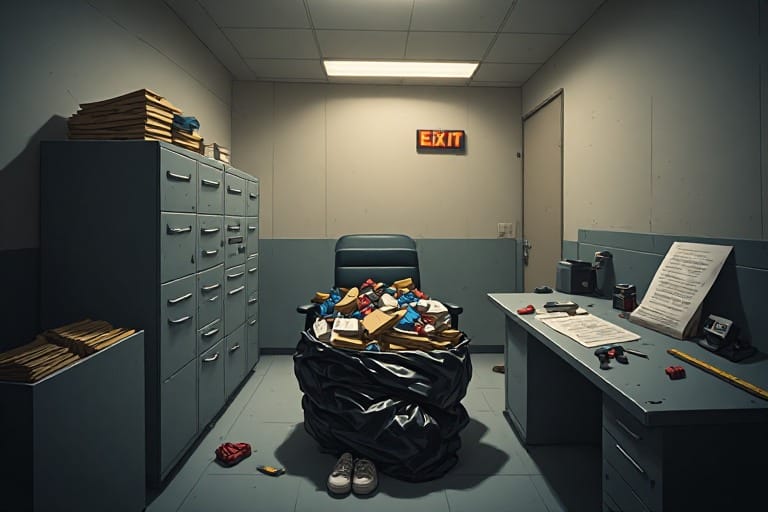
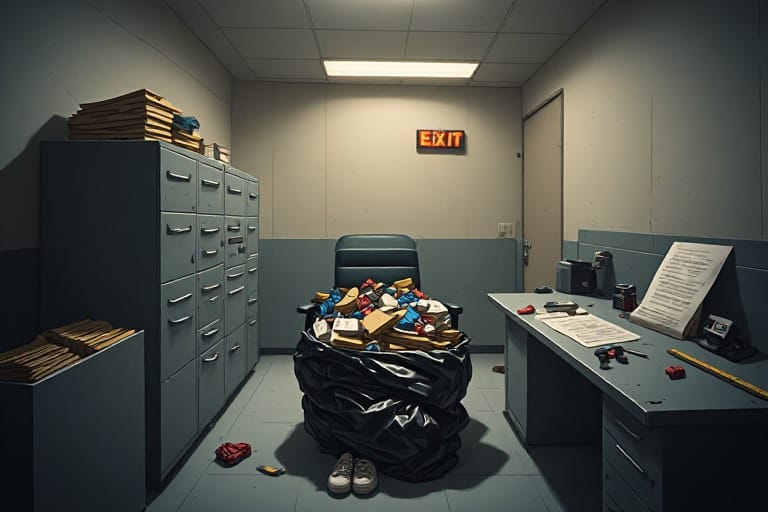
When our mom died, I watched my sister get handed a black trash bag and fed into a machine that didn’t know what to do with a human being. The Paperwork Keiki didn't start as a play; it started as my way of processing the sheer, hollow absurdity of watching Hawaii’s state programs—the very ones meant to hold us—do everything in their power to ensure we never arrived anywhere.
The play takes place in a Transition Office—a beige, stagnant purgatory where the fluorescent lights click every forty-seven seconds, as if the building itself is having a nervous breakdown. It follows "The Ward," a child trapped in a circular loop, navigating a "system" that treats their life like a poorly managed Excel sheet. I wanted to capture that sickening, saccharine warmth of the Caseworker—a person who smiles like a phone tree while they classify your childhood memories as "Attachment Overabundance".
I spent a lot of time digging into the architecture of these systems, and what I found wasn't just incompetence—it was a performance of erasure. They measure your history with a ruler, they archive your shoes, and they treat the language you grew up speaking like a "non-standard communication pattern".
The Pidgin and the fragments of ‘Ōlelo Hawai‘i that The Ward clings to? Those aren't just dialogue. They are the last territory the system hasn't managed to repossess. Every time that Officer’s whistle blows—that strange, silent character—that territory shrinks until there is nothing left but a barcode on a forehead. I don’t know if this is a comedy or a funeral, and honestly, I think that ambiguity is the only honest thing the system ever produced.
For the Premium Members
I’ve uploaded the full PDF script of The Paperwork Keiki to the site for those of you who want to sit with the weight of these five movements.
To get even closer to the dissonance of the office, I’ve also included an exclusive AI-voice acted audio reading of the play. Hearing that "phone tree" voice read the Caseworker’s lines—the cold, calculated cheer—paired with the way The Ward fights to keep their name, changes the entire space. It makes the "Lexicon of Erasure" feel less like a concept and more like the room you’re sitting in.
